
 Arabic
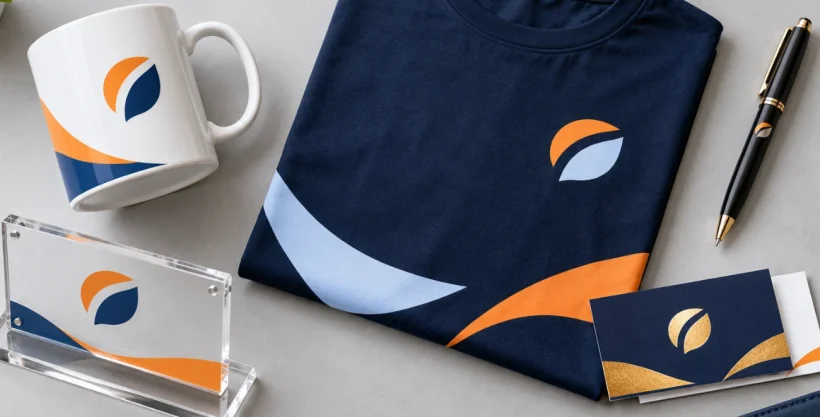
Pick the wrong printing method and your logo looks washed out on a mug, your labels peel off in a week, or your budget takes a hit for a finish nobody asked for. Every printing job comes down to matching the surface, the quantity, and the durability you need with a technique built for that exact job. This guide walks through the main types of printing used across corporate branding, packaging, and promotional products today, so you can talk to your supplier with a clear idea of what fits your project and what doesn’t.
What Are Printing Technologies?
Printing technologies are the physical or digital methods used to transfer an image, text, or design onto a surface. Some rely on ink and pressure, some use light-curing technology, and some use heat and dye. The method chosen affects color accuracy, texture, cost per unit, and how long the print survives daily wear.
What Are the Different Types of Printing?
Businesses typically choose from a handful of established printing methods, each suited to different materials and order volumes. Below is a breakdown of the ones most commonly used for corporate gifts, signage, and branded merchandise.
Digital Printing
Sends a file straight to the printed surface with no plates or screens in the middle. It’s the standard for brochures, flyers, business cards, and banners because it handles fine detail and full color without a long setup, which makes short runs and last minute reprints far more practical.
Screen Printing
Pushes ink through a mesh stencil onto the surface below, and it still holds up as one of the most common types of printing methods for apparel, packaging, and bulk promotional runs, since the ink lays down thick and the cost per unit drops as volume climbs.
Pad Printing
Solves the problem screen printing can’t. When a surface curves, like a pen barrel, a bottle, or a USB drive, a silicone pad lifts the image and presses it onto that curve. Detail stays sharp even on small, awkward shapes, which is why this method shows up constantly on giveaway items.
UV Printing
Cures ink instantly under ultraviolet light as it’s applied, letting it bond to acrylic, wood, glass, metal, and PVC without smudging or a long drying wait. Because the ink sets on contact rather than air-drying, the finish tends to resist, scratching better on hard, flat items such as signage, plaques, and branded office pieces.
Heat Transfer and Sublimation
Both target fabric, but they work differently. Heat transfer applies a design using heat and pressure, common on T-shirts, uniforms, and sportswear. Sublimation goes further: the dye actually converts to gas and bonds with the fibers or coating of the item itself, which is why it’s the usual pick for mugs and polyester apparel that need to survive repeated washing without cracking.
Vinyl Cutting
Isn’t printing in the traditional sense at all? It cuts a design out of colored vinyl sheet, then applies it to the surface, which is the process behind vehicle graphics, window decals, and wall lettering where clean, sharp edges matter more than color gradients.
Laser Cutting, Engraving, Debossing, and Embossing
Skip ink entirely. Lasers carve directly into acrylic, wood, metal, or leather, while debossing and embossing press a design into paper or leather to create texture instead of color. Hot foiling adds a metallic finish to business cards and packaging, and epoxy coating gives labels or badges a glossy, raised, scratch-resistant layer once the print work underneath is finished.
Which Printing Method Is Right for Your Product?
The right printing techniques depend on three things: the surface material, the order quantity, and how much wear the finished item needs to survive. A curved plastic bottle calls for a different approach than a flat acrylic sign, and a run of ten items rarely justifies the same setup as a run of ten thousand. Rather than choosing a method first, start with the product and the use case, then work backwards to the printing method that fits both.
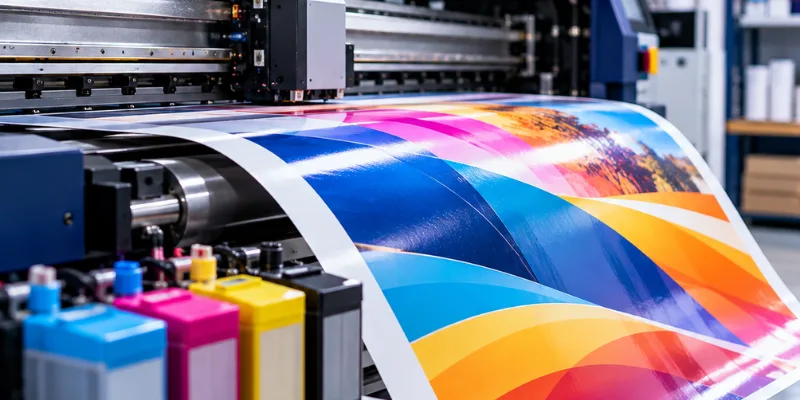
Printing Method Comparison: Cost, Material, Quality & Durability
| Method | Best For | Typical Cost | Durability |
|---|---|---|---|
| Digital Printing | Paper, marketing materials | Low to moderate | Moderate |
| Screen Printing | Apparel, bulk packaging | Low per unit at volume | High |
| UV Printing | Acrylic, wood, glass, metal | Moderate | High |
| Pad Printing | Curved, small items | Moderate | High |
| Sublimation Printing | Mugs, fabric, coated items | Moderate | High, fade-resistant |
| Heat Transfer | Apparel, uniforms | Low to moderate | Moderate to high |
| Hot Foiling | Packaging, luxury print | Higher | High |
| Laser Engraving | Metal, acrylic, wood, crystal | Higher | Very high, permanent |
Final Thoughts
There’s no single best method among the many types of printing on the market. Each one answers a different combination of surface, budget, and durability. A business card doesn’t need what a branded water bottle needs, and a vehicle wrap calls for a different process than an engraved crystal award. Knowing what each technique actually does makes it far easier to brief a printer correctly on the first attempt, instead of finding out halfway through production that the wrong process got picked. Al Fajer runs several of these processes in-house, which is worth knowing if a project needs more than one method to come together. Which of these techniques fits the project sitting on your desk right now?