
 Arabic
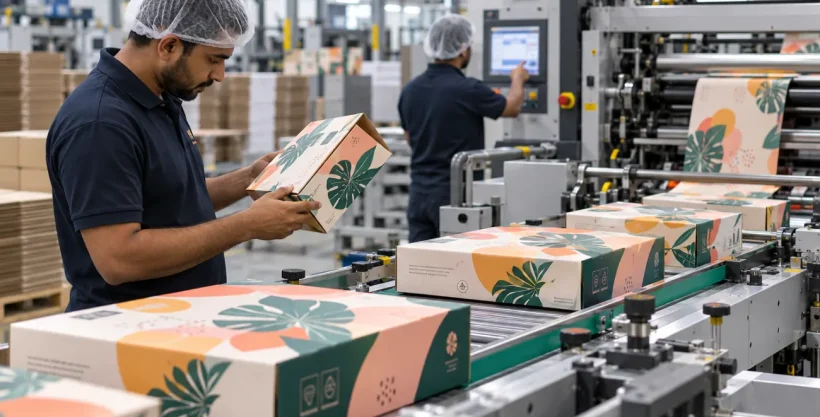
Most business owners think about packaging after everything else is done. The product is ready, the branding is set, and then someone asks: What’s it going to ship in? This question matters more. A box is often the first physical thing a customer touches, and packaging printing Dubai businesses investment usually reflects how seriously a brand takes that first impression.
This guide walks through the main box types, materials, and printing choices available for UAE brands, based on how Al Fajer approaches custom box production for clients across Abu Dhabi, Dubai, Sharjah, and Al Ain.
What to Expect From Packaging Printing Dubai Services?
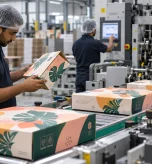
A packaging printing Dubai project normally begins with a conversation, not a catalogue. Before anything gets designed, a good supplier will ask about product dimensions, order quantity, intended use, and how the box needs to look once it’s opened. That consultation step shapes everything that follows, from the structural design to the finishing treatments applied at the end.
Al Fajer’s process runs through five stages: requirement consultation, structural design, printing and production, folding and finishing, and then a final quality check before delivery. Each stage exists because packaging has two jobs at once. It has to protect what’s inside, and it has to represent the brand well enough that the unboxing itself becomes part of the customer experience. That’s the real value behind custom packaging Dubai companies are building capacity around right now.
Types of Custom Boxes You Can Order
Not every product needs the same box. Retail packaging is built for shelf presence and handling. Gift boxes lean into presentation, often with structural flourishes that a plain shipping carton would never need. Luxury packaging goes further still, using weight, texture, and finish to signal value before the lid is even lifted.
Beyond those, there are presentation boxes for events and launches, promotional boxes tied to campaigns, and even quotation folders for corporate documents that need to look as polished as the pitch inside them. Custom Box Making Services covers structural options like custom inserts and compartments, which matter a lot for anything fragile or high value, think electronics, cosmetics, or jewellery.
Materials and What They’re Good For
Material choice affects everything downstream: weight, cost, durability, and how the final print actually looks. Heavier board stock holds sharp corners well and suits luxury or gift packaging, where the box itself is part of the product experience. Lighter, more economical stock works for high-volume retail runs where cost per unit matters more than rigidity.
The material also determines what printing and finishing methods will actually take. Some board surfaces hold foil and emboss cleanly. Others are better suited to straightforward screen printing with strong, flat color. This is one area where a rushed decision early on tends to cause problems later, so it’s worth getting supplier input before locking in a material.
Printing and Finishing Options
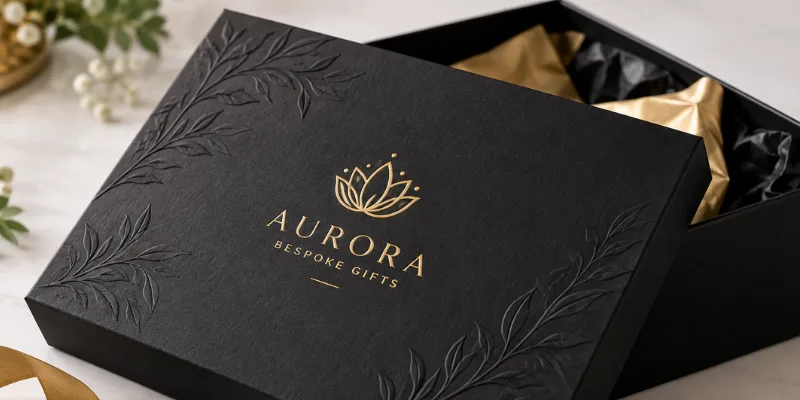
This is where branded packaging Dubai companies tend to spend the most design energy, because finishing is what people actually notice and touch. Matte finishes are considered as understated and premium. Gloss adds shine and contrast that makes colors pop under retail lighting. Foil stamping provides a metallic shine that catches light on the shelf. Embossing pushes the design up off the surface, so a logo has actual height you can run a finger over. Debossing does the opposite, pressing it down into the board instead. Small difference on paper, but it changes how premium the box feels the second someone picks it up.
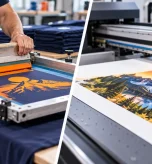
These aren’t purely cosmetic choices. Foil and embossing add production time and cost, so they tend to show up on premium or gift lines rather than everyday shipping cartons. Screen printing, by comparison, is faster and more budget-friendly for bulk orders where consistency across thousands of units matters more than intricate detail.
Choosing a Packaging Partner
Packaging is easy to underestimate until it’s the thing sitting in a customer’s hands. Getting the type, material, and finish right takes some planning, but it’s not complicated once you know what questions to ask. If you’re weighing options for an upcoming product launch or a packaging refresh, what matters most to your brand: cost efficiency, premium presentation, or fast turnaround?
Final Thoughts
Neither method is the universal answer to promotional branding. Screen printing serves bulk orders, bold colors, and textured finishes. Digital printing serves detailed graphics, short runs, and quick turnarounds on rigid materials. The right call comes down to matching the technique to the product, the quantity, and the deadline in front of you. What does your next order actually need: volume and texture, or detail and speed?